
Understanding Bóc ép plastic sổ đỏ
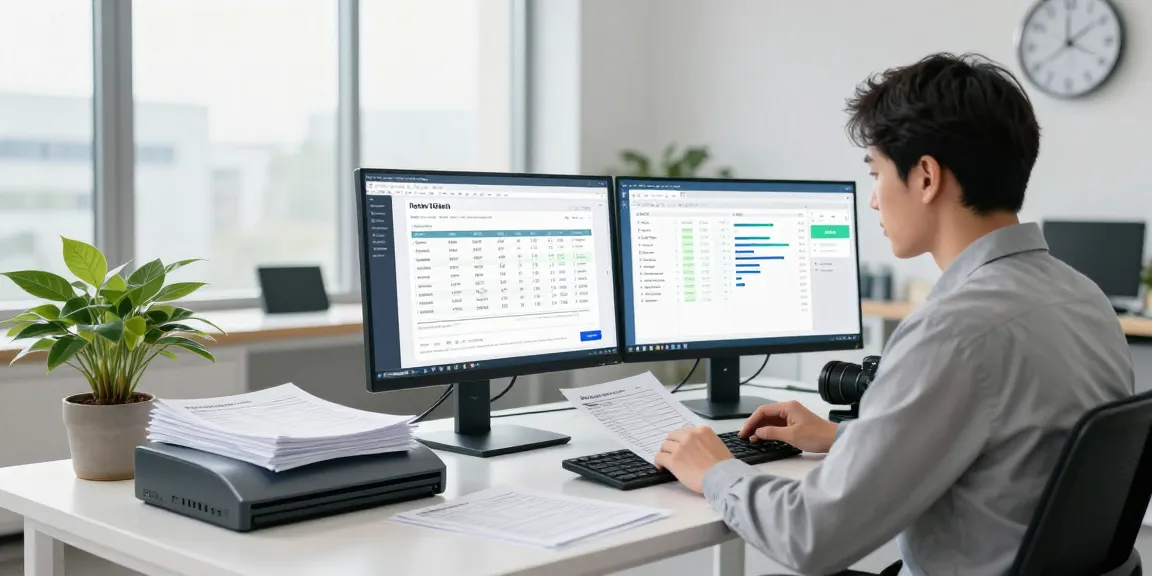
Bóc ép plastic sổ đỏ is a crucial service in document management, ensuring that important papers are not only protected but also easily accessible. This technique is commonly used for various types of documentation, including certificates, contracts, and identification papers, enhancing their longevity and resilience against wear and tear. The process involves encasing documents in a plastic layer, commonly referred to as lamination, which provides physical protection while maintaining readability and presentation quality. When exploring options, Bóc ép plastic sổ đỏ provides comprehensive insights into best practices and techniques.
What is Bóc ép plastic sổ đỏ?
Bóc ép plastic sổ đỏ involves the lamination of documents, specifically focusing on those of high significance, like land use rights certificates in Vietnam. This process combines heat and pressure to seal the document between two layers of plastic, creating a waterproof and tear-resistant barrier. The result is a durable document that can withstand environmental factors and physical handling, making it ideal for important legal or personal use.
The Importance of Document Protection
Protecting documents is essential for several reasons:
- Preservation: Lamination helps in preserving the original quality of documents by preventing damage from moisture, dirt, and physical wear.
- Legibility: It ensures that the printed text remains clear and readable over time, which is critical for legal or official documents.
- Professional Appearance: Laminated documents exude professionalism, making them more presentable during meetings or public displays.
Common Uses of Laminated Documents
Laminated documents find a wide range of applications, including:
- Certificates: Diplomas and awards are often laminated to enhance their durability.
- ID cards: Personal and professional identification cards benefit from lamination for extended use.
- Menus: Restaurants often use laminated menus to protect against spills and stains.
Choosing the Right Equipment
Essential Laminating Machines for Office Use
Choosing the right laminating machine depends heavily on the frequency of use and document sizes. For small-scale or occasional use, a personal laminator may suffice, while larger offices or organizations may prefer commercial-grade machines that can handle more substantial bulk laminating tasks. It’s vital to consider features such as pouch thickness capabilities, speed, and the type of laminating process (thermal vs. cold lamination).
Types of Laminating Pouches to Consider
Laminating pouches come in various sizes and thicknesses, so selecting the appropriate type is crucial. The most common thicknesses are:
- 3 mil: Best for documents that need moderate protection.
- 5 mil: Offers enhanced protection, suitable for documents that will be handled frequently.
- 10 mil and above: Provides maximum rigidity and durability, ideal for signage or frequently used documents.
Comparing Manual vs. Automatic Laminators
When choosing between manual and automatic laminators, consider the following:
- Manual Laminators: These require hands-on operation and are often less expensive. They are suitable for small businesses or occasional use.
- Automatic Laminators: These are more efficient and can handle larger volumes, making them ideal for busy offices but may come with a higher price tag.
Step-by-Step Laminating Process
Preparing Documents for Laminating
Before laminating, ensure that documents are clean and flat. Remove any staples or paper clips and verify that the document is the correct size for the intended laminating pouch. If necessary, trim the document for a clean fit.
How to Properly Use a Laminator
To laminate effectively, follow these steps:
- Power on the laminator and allow it to heat up according to the manufacturer’s instructions.
- Insert the document into the laminating pouch, ensuring it is centered.
- Feed the pouch into the laminator, sealing side first.
- Wait for the lamination process to complete before removing the pouch.
Post-Laminating Care and Maintenance
After laminating, it’s essential to let the documents cool down completely before handling. Store laminated documents flat to prevent warping. Regularly check and clean the laminator to ensure it continues operating effectively without jams or damage.
Best Practices for Document Management
Organizing Laminated Documents for Accessibility
Organizing laminated documents is vital for quick retrieval. Consider using file folders or binders labeled according to categories or dates to maintain an efficient filing system.
Labeling Techniques for Easy Identification
Effective labeling can simplify document retrieval. Use clear, bold fonts for labels and consider color-coding to differentiate between document types or importance.
Regular Maintenance of Office Equipment
To ensure longevity and efficiency, perform regular maintenance on all office equipment, including laminators. This includes cleaning rollers, checking for firmware updates, and keeping the area around machines tidy.
Future Trends in Document Processing and Lamination
Innovations in Laminating Technology
As technology evolves, so too does lamination. Emerging trends include lamination technology that integrates digital features, such as QR codes or RFID tags, to enhance functionality and security.
Impact of Digital Documentation on Laminating Needs
The rise of digital documentation challenges traditional laminating methods. However, as physical documents remain necessary for legal and archival purposes, the demand for high-quality lamination persists.
Preparing for Future Document Management Challenges
Organizations must adapt to the shifting landscape of document management by investing in versatile laminating solutions that cater to both physical and digital document needs. This foresight will enable businesses to streamline processes and protect essential documents effectively.
What materials are best for Bóc ép plastic sổ đỏ?
For optimal results, it is advisable to use high-quality, acid-free laminating pouches that prevent yellowing and maintain document integrity over time. Polypropylene pouches are often recommended as they are durable and environmentally friendly.
How does lamination improve document durability?
Lamination enhances document durability by providing a protective barrier against moisture, dirt, tearing, and fading. This is especially important for documents that will be handled frequently or exposed to various environmental conditions.
Are there eco-friendly options for laminating?
Yes, many companies now offer eco-friendly laminating options, including biodegradable pouches and those made from recycled materials. These green alternatives maintain the protective benefits of traditional laminating while being environmentally conscious.
What are the common mistakes in the laminating process?
Common mistakes include:
- Incorrect size selection of laminating pouches, leading to ineffective sealing.
- Feeding documents into the laminator without ensuring they are flat, causing jams.
- Neglecting to allow the laminator to fully heat before use, which results in poor lamination.
How to troubleshoot laminating machine issues?
To troubleshoot common laminating machine issues, start by checking for jams or misfeeds, cleaning rollers, and ensuring that the machine is at the correct temperature. Additionally, consulting the manufacturer’s troubleshooting guide can provide specific solutions to identified problems.