Understanding Professional Irrigation Services in Lakeside, TX
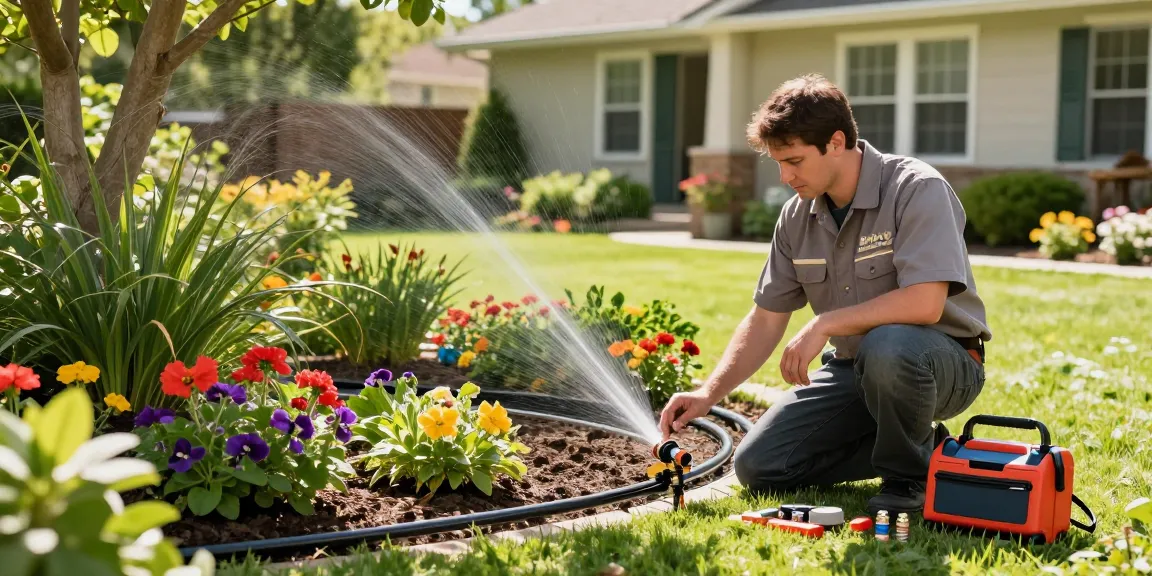
When it comes to maintaining a healthy landscape, having a reliable irrigation system is crucial. In Lakeside, TX, homeowners face unique challenges regarding water management and plant health. Choosing Professional Irrigation Services in Lakeside, TX can alleviate these issues, ensuring your plants receive the optimal amount of water while also conserving resources. From repairs to installations, comprehensive irrigation solutions are designed to enhance your landscape’s sustainability and aesthetic appeal.
What Are Professional Irrigation Services?
Professional irrigation services encompass a wide range of offerings aimed at optimizing water usage in residential and commercial landscapes. These include:
- System Installation: Setting up new irrigation systems tailored to your specific landscape needs.
- Repair Services: Fixing leaks, replacing broken pipes, and addressing malfunctioning sprinkler heads.
- Maintenance: Routine check-ups to ensure systems run efficiently throughout the year.
- Water Conservation Solutions: Upgrading systems to include water-saving technologies.
Benefits of Expert Irrigation Solutions
Engaging professional irrigation services brings several advantages, including:
- Increased Efficiency: Professionals utilize advanced techniques and equipment, ensuring that water is distributed evenly across your landscape.
- Cost Savings: By preventing leaks and optimizing system performance, homeowners can significantly reduce water bills.
- Enhanced Plant Health: A well-maintained irrigation system provides consistent moisture, protecting your plants from drought stress.
- Peace of Mind: Knowing that experts are handling your irrigation needs allows you to focus on enjoying your outdoor space.
Key Features of a Reliable Irrigation Service Provider
When selecting an irrigation service provider, consider the following key features:
- Experience: Look for companies with a proven track record and positive customer reviews.
- Certifications: Ensure they are licensed and insured, offering peace of mind in their quality of work.
- Custom Solutions: Choose a provider that offers tailored services to meet your unique landscape needs.
- Customer Support: A reliable provider should have excellent communication and after-service support.
Common Irrigation Problems Homeowners Face
Despite the benefits of professional irrigation systems, homeowners often encounter various issues that can undermine their effectiveness. Understanding these common problems can help you take proactive measures to address them.
Identifying Leaky Pipes and Their Impact
Leaky pipes can wreak havoc on your irrigation system. Not only do they waste significant amounts of water, but they can also lead to uneven watering, which harms your plants. Signs of a leak may include:
- Water pooling in certain areas of your lawn.
- Unusually high water bills.
- Wet patches in dry weather.
It’s crucial to have a professional inspect your system to identify and repair leaks promptly.
Challenges with Sprinkler Head Malfunctions
Sprinkler heads are essential for even water distribution, and any malfunction can result in dry patches or overwatering. Common issues include:
- Clogged nozzles due to debris.
- Incorrect spray patterns that waste water.
- Broken or misaligned heads affecting coverage.
Regular maintenance ensures your sprinkler heads function correctly, providing consistent watering to your landscape.
Understanding the Importance of Regular Maintenance
To prolong the lifespan of your irrigation system, regular maintenance is critical. This includes:
- Tune-ups to check for wear and tear.
- Winterization to prepare your system for colder months.
- Controller programming adjustments for seasonal changes.
By investing in maintenance, you can prevent costly repairs and ensure optimal performance all year round.
The Importance of Water Conservation in Irrigation
With growing concerns about water scarcity, practicing water conservation in your irrigation methods is essential. Efficient systems not only benefit the environment but can also save homeowners money.
Why Every Homeowner Should Care About Water Efficiency
Water efficiency should be a top priority for homeowners. With increasing water rates and environmental impacts of overuse, understanding how to conserve water in landscaping is vital. Efficient irrigation practices lead to:
- Lower utility bills.
- Healthier plants and landscapes.
- Reduced environmental impact.
Innovative Solutions for Sustainable Irrigation
Several innovative solutions can enhance water conservation in irrigation, such as:
- Smart Controllers: These devices adjust watering schedules based on real-time weather data.
- Drip Irrigation: A method that delivers water directly to the plant roots, minimizing wastage.
- Rain Sensors: These sensors prevent irrigation during rainfall, saving water.
Integrating these technologies into your irrigation system not only conserves water but also promotes a healthier lawn and garden.
Comparing Traditional vs. Drip Irrigation Systems
While traditional sprinkler systems cover a large area, drip irrigation systems are becoming increasingly popular due to their efficiency. Key differences include:
- Water Usage: Drip systems use up to 60% less water compared to traditional sprinklers.
- Targeted Delivery: Drip systems direct water precisely to the plants, reducing evaporation and runoff.
- Setup Complexity: Traditional systems are often simpler to install but may require more maintenance.
Choosing the right system depends on your specific landscape needs and water conservation goals.
Expert Techniques for Effective Irrigation Installation
Installing an irrigation system requires careful planning and execution. Working with professionals ensures that every step is done correctly for optimal results.
Step-by-Step Process for Installing a New System
The installation of a new irrigation system typically involves the following steps:
- Site Assessment: Professionals assess your landscape to design a system that fits your needs.
- Planning: A detailed plan is created, including system layout and component selection.
- Installation: The actual installation of pipes, heads, and controllers takes place.
- Testing: The system is tested to ensure it operates correctly and efficiently.
Following these steps guarantees a well-functioning irrigation system that meets your landscape’s unique needs.
Tips for Expanding Existing Irrigation Systems
If you are looking to expand your existing irrigation system, consider the following tips:
- Assess current coverage to identify dead zones.
- Add new zones as needed to ensure every area receives adequate water.
- Consult with experts to determine the best components for expansion.
Expanding your system effectively can lead to better water management and healthier plants.
Casing and Rerouting Irrigation Around New Installations
When installing new features like pools or patios, it’s essential to reroute your irrigation system properly. This prevents water from damaging structures and ensures adequate moisture distribution around new installations. Consider the following while rerouting:
- Identify the existing irrigation lines that need to be adjusted.
- Plan the new layout to accommodate structures while maintaining water efficiency.
- Consult professionals to ensure a seamless integration of your irrigation system with new installations.
Future Trends in Irrigation: What to Expect by 2026
The irrigation industry is continually evolving, with new technologies and regulations emerging. Staying informed about these trends can help homeowners make better decisions regarding their irrigation needs.
Emerging Technologies Shaping Irrigation Services
By 2026, expect to see several groundbreaking technologies in the irrigation sector, including:
- Automated Systems: More advanced automated systems that require less manual intervention.
- IoT Integration: Internet of Things (IoT) devices that offer real-time monitoring and adjustments.
- Data Analytics: Systems that analyze water usage patterns to optimize irrigation schedules.
With these advancements, homeowners can expect even greater efficiency and effectiveness in their irrigation systems.
The Role of Smart Irrigation in Water Management
Smart irrigation technology will play a crucial role in water management, offering features like:
- Weather-based adjustments that automatically modify watering schedules based on environmental conditions.
- Remote monitoring that allows homeowners to control their systems from anywhere.
- Real-time alerts for leaks or system malfunctions.
Implementing smart irrigation solutions can lead to significant water conservation and reduced costs.
Preparing for Increased Regulations on Water Usage
As water scarcity becomes an increasingly pressing issue, homeowners should prepare for stricter regulations regarding water usage. This might involve:
- Adopting water-efficient irrigation technologies.
- Staying informed about local regulations and compliance requirements.
- Investing in sustainable landscaping practices that require less irrigation.
By proactively adjusting to these changes, homeowners can continue to maintain beautiful landscapes while complying with regulations.
What Are the Benefits of Hiring Professionals?
Hiring a professional irrigation service provides numerous benefits, including:
- Expertise and knowledge of the latest technologies and best practices.
- Access to specialized equipment that ensures precise installation and repairs.
- Time savings, allowing homeowners to focus on their outdoor enjoyment rather than maintenance.
Ultimately, investing in professional services enhances the performance and sustainability of your irrigation system.
How Long Does an Irrigation System Last?
The lifespan of an irrigation system can vary widely depending on the materials used, maintenance frequency, and environmental conditions. On average, a well-maintained system can last:
- Pipes: 20 to 30 years
- Sprinkler heads: 10 to 15 years
- Timers and controllers: 5 to 10 years
Regular maintenance and timely repairs can extend the lifespan of your system, ensuring long-term efficiency.
What Should I Look for When Researching Irrigation Services?
When seeking irrigation services, consider the following criteria:
- Reputation: Read reviews and testimonials to gauge customer satisfaction.
- Range of Services: Ensure the provider offers both installation and maintenance services.
- Warranty: Look for companies that offer warranties on their work and equipment.
Taking the time to research can lead to better service and overall satisfaction with your irrigation system.
How Do I Know if My Sprinkler System Needs Maintenance?
Signs that your sprinkler system requires maintenance include:
- Uneven watering patterns across your landscape.
- Low water pressure or sudden changes in performance.
- Visible leaks or dampness around sprinkler heads.
If you notice any of these issues, it’s essential to contact a professional for a thorough inspection and maintenance.
Can I Install My Own Irrigation System?
While DIY installation of an irrigation system is possible, it requires careful planning and knowledge of irrigation principles. Consider the following:
- Understanding local regulations regarding irrigation systems.
- Ability to design an efficient layout to meet your landscape’s needs.
- Access to necessary tools and materials.
If you’re uncertain, hiring professionals can save you time and ensure optimal performance.
What Should I Do if I Encounter a Leak?
Encountering a leak in your irrigation system requires prompt action:
- Identify the location of the leak if possible.
- Turn off the water supply to prevent further damage.
- Contact a professional service to assess and repair the issue.
By addressing leaks quickly, you can minimize water waste and protect your landscape investment.