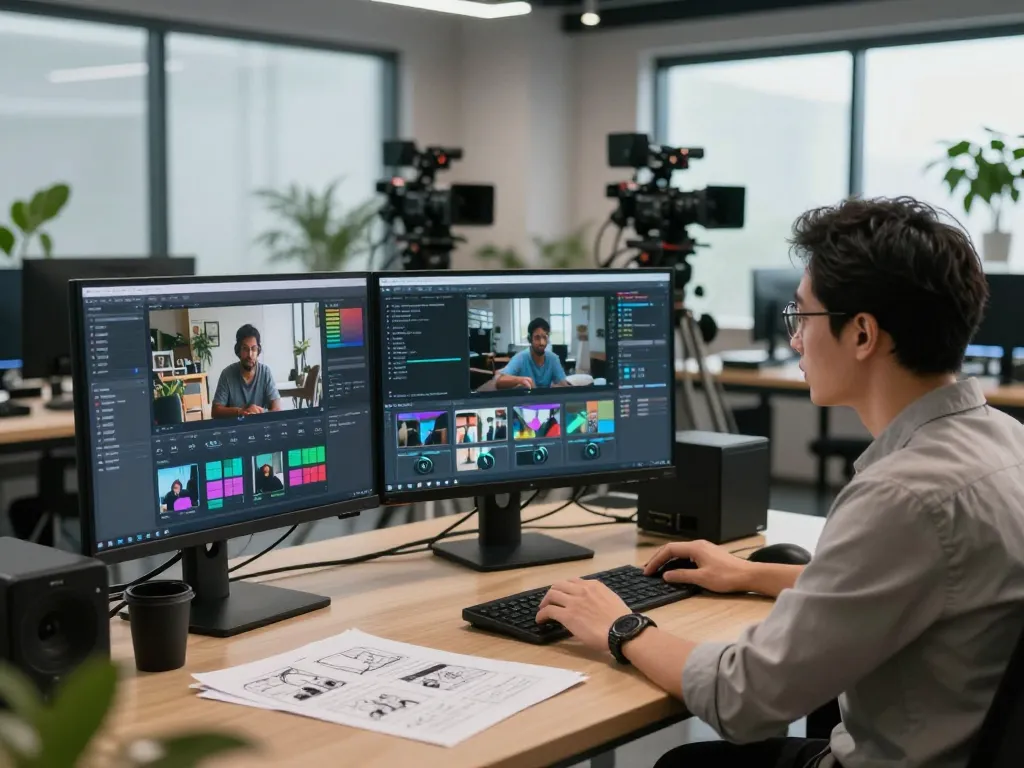
Understanding Video to Prompt AI Technology
The emergence of artificial intelligence has revolutionized numerous industries, and video content creation is no exception. With the development of video to prompt ai tools, content creators can now transform video footage into actionable prompts that streamline production and enhance creativity. By leveraging machine learning algorithms, these tools analyze video content to generate text prompts that can be used with various AI video generators, making it easier for creators to produce high-quality visual narratives.
What is Video to Prompt AI?
Video to Prompt AI refers to advanced systems designed to convert video content into structured text prompts. These prompts encapsulate key elements of the video, including scenes, actions, dialogue, and visual style. The technology employs machine learning models to analyze every frame, detecting details that a human might overlook. As a result, content creators can generate precise and detailed instructions for AI video generation, facilitating a more intuitive and efficient workflow.
The Importance of Video Analysis
Effective video analysis is crucial for understanding the narrative and technical dimensions of video content. By breaking down videos into manageable segments, AI can identify elements such as camera angles, lighting, movement, and thematic undertones. This level of analysis not only assists in creating prompts for video generation but also provides valuable insights into audience engagement and emotional resonance. For educators, marketers, and filmmakers alike, harnessing the power of video analysis can lead to enhanced storytelling and content efficacy.
How AI Converts Video Content to Prompts
The conversion process begins with uploading the video file to a video to prompt AI platform. The platform processes the file using various AI models, which analyze the video frame by frame. After breaking down the content, the AI generates a series of text prompts that effectively describe the visual and auditory elements captured in the original footage. This prompts generation can be tailored, allowing creators to fine-tune their outputs to match specific requirements and preferences.
Benefits of Using Video to Prompt AI
Efficiency in Content Creation
One of the most significant advantages of using video to prompt AI is the remarkable efficiency it brings to the content creation process. By automating the prompt generation, creators can save countless hours that would otherwise be spent on manual scriptwriting or brainstorming. This efficiency allows for quicker turnaround times and enables teams to focus on other critical aspects of video production, such as creative direction and audience engagement strategies.
Enhanced Video Understanding
Video to prompt AI tools provide creators with deeper insights into their content. By analyzing various components of a video, such as pacing, tone, and visual style, these systems aid in enhancing the creator's understanding of their work. This level of understanding can lead to improved content revisions and more impactful storytelling, ultimately resonating better with audiences.
Streamlined Workflow for Creators
The integration of AI into the video production workflow significantly streamlines processes. With clear, concise prompts generated from the initial footage, creators can quickly align their projects with their vision. Additionally, the ability to replicate successful prompts across different projects can foster consistency and familiarity in content production, making it easier for creators to maintain a strong brand identity.
How to Use Video to Prompt AI Effectively
Step-by-Step Process for Video Upload
- Visit a video to prompt AI platform and create an account.
- Select the option to upload your video file, ensuring it meets the required format and size specifications (most support formats like MP4, AVI, or MOV).
- Follow the prompts to initiate the analysis process, which typically includes selecting an AI model tailored for your content type.
- Once uploaded, wait for the video analysis to complete. This can take anywhere from a few seconds to several minutes, depending on the video’s complexity.
- After processing, review the generated prompts and make adjustments as needed to fit your project requirements.
Choosing the Right AI Model
Different AI models come with varying capabilities tailored for specific video types. For instance, some models may excel in cinematic analysis, while others might focus on educational content or marketing strategies. Selecting the right model can significantly impact the quality of the generated prompts, ensuring they align closely with the intended purpose of the video. Testing different models and analyzing their output can help in discovering the most suitable option for your needs.
Refining Generated Prompts for Maximum Impact
After generating the initial prompts, it's essential to refine them to ensure they resonate with both the intended audience and the vision of the project. This can involve editing for clarity, enhancing descriptive elements, or adding specific keywords relevant to the content. By taking the time to fine-tune prompts, creators can maximize their effectiveness and ensure a stronger connection with viewers, leading to improved engagement and satisfaction.
Common Challenges and Solutions with Video to Prompt AI
Addressing User Concerns about Accuracy
One common challenge faced by users of video to prompt AI technology is the accuracy of generated prompts. In some instances, prompts may miss critical context or fail to capture nuances of the video content. To address this concern, users can review and modify the generated prompts based on their own understanding of the video. Additionally, advancements in AI technology are leading to improved accuracy over time, making it essential for creators to stay updated with the latest models and features.
Overcoming Technical Limitations
Technical limitations can sometimes hinder the performance of video to prompt AI systems, such as compatibility issues with certain video formats or the processing capability of the platform. To overcome these challenges, users should ensure they are using recommended formats and specifications for uploads. Furthermore, selecting a platform known for its technical robustness can significantly enhance the user experience and reduce instances of frustration.
Tackling Language and Accessibility Issues
Language barriers can limit the effectiveness of AI video prompt systems, particularly for international audiences. Many modern tools now include multilingual capabilities, allowing for prompt generation in various languages. This feature not only broadens accessibility but also caters to diverse audiences, making it a pivotal aspect of video content creation. Users should opt for platforms that support multilingual analysis to reach global markets effectively.
The Future of Video to Prompt AI in 2026
Emerging Trends in AI Video Analysis
As the technology surrounding video to prompt AI continues to evolve, several trends are expected to shape its future. The integration of deeper learning algorithms, for instance, will likely enhance the precision of prompts generated, allowing for more nuanced understanding of video context. Additionally, the rise of virtual and augmented reality tools may further revolutionize how AI analyzes and generates prompts, leading to immersive experiences that were previously unimaginable.
Predictions for User Adoption Rates
As more content creators recognize the value of AI in efficiency and creativity, user adoption rates for video to prompt AI tools are expected to soar. This growth will likely be fueled by increasing accessibility and advancements in AI technology that improve user experience and output quality. By 2026, it is anticipated that a significant percentage of video creators in diverse fields—from education to marketing—will incorporate these AI tools into their workflows.
Potential Advancements in Technology
Looking ahead, we can expect several exciting advancements in the realm of video to prompt AI technology. Innovations in natural language processing may enable these systems to generate even richer and more contextually relevant prompts. Furthermore, the development of collaborative tools within these platforms could facilitate team-based content creation and prompt refinement processes, fostering greater creativity and synergy among creators.