The Evolution of TradingView in Market Analysis
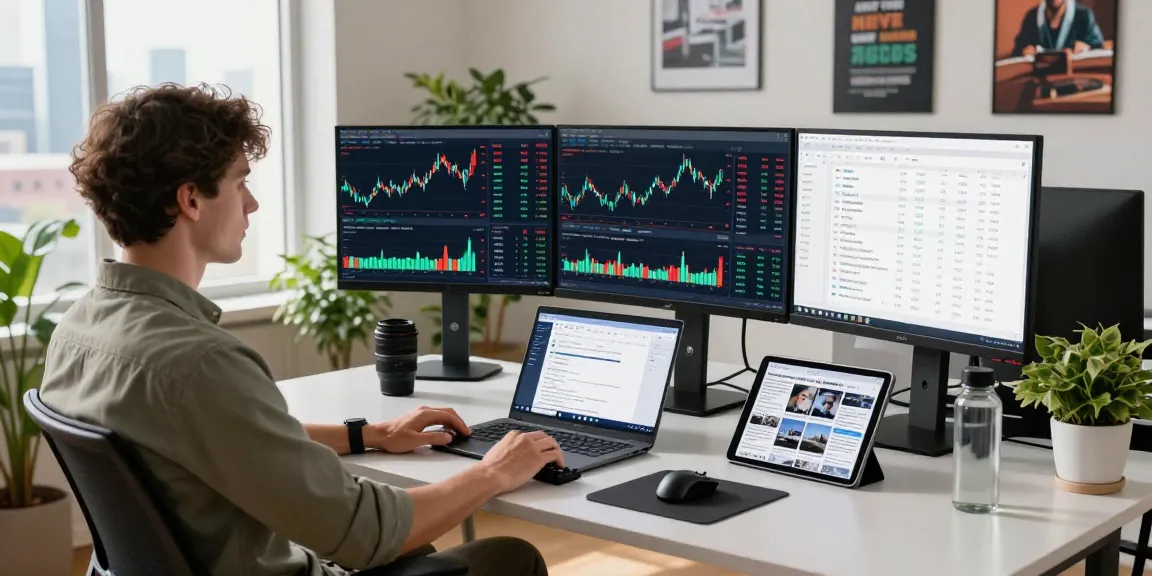
In the world of trading, where every second counts, having the right tools can make all the difference. Since its inception, TradingView has positioned itself as a game-changer, offering a comprehensive platform that integrates charting, analysis, and community interaction. As traders navigate increasingly complex financial landscapes, the ability to analyze data efficiently and effectively has never been more crucial. This evolution not only reflects the changing dynamics of trading but also highlights the need for a streamlined workflow that aids in making informed decisions.
1. The Origins and Growth of TradingView
TradingView was founded in 2011 with a vision to democratize access to trading tools and data. Initially aimed at a small group of traders and investors, it has grown exponentially, attracting millions of active users worldwide. By leveraging cloud technology, TradingView allows users to access their analyses from any device, at any time, breaking the constraints of traditional trading setups.
Over the years, TradingView has expanded its offerings significantly. With the addition of features like social trading, users can share insights and strategies, creating a vibrant community of traders contributing to one another’s success. This collaborative environment has fostered a unique culture of learning and improvement among traders, especially those new to the market.
2. Key Features That Redefined Trading Practices
The platform's user-friendly interface, combined with powerful analytical tools, has redefined how traders approach market analysis. Key features include:
- Multi-Chart Layouts: Users can analyze different markets simultaneously, allowing for comparative analysis and more informed decision-making.
- Custom Alerts: Traders can set price alerts and notifications based on specific indicators, ensuring they never miss critical trading opportunities.
- Pine Script: This proprietary scripting language allows users to create custom indicators and backtest strategies, promoting a tailored trading experience.
These features collectively enhance the research process, making it easier for traders to develop and refine their strategies.
3. The Importance of User Community in TradingView's Success
The success of TradingView can largely be attributed to its active and engaging user community. With millions of traders sharing their analyses and strategies, the platform not only serves as a tool for charting but also as a social network for traders to collaborate and learn from one another. Community-driven features like shared ideas and public scripts encourage interaction and provide additional learning opportunities.
Traders can browse community insights, leverage shared experiences, and gain various perspectives, which enrich their own trading practices. This interactive component is vital for those who may feel isolated in their trading journeys, providing them with an avenue to connect with like-minded individuals.
Comprehensive Tools for Successful Trading
Beyond fundamental analysis, TradingView provides a set of sophisticated tools designed to enhance trading performance. By effectively using these tools, traders can significantly increase their chances of success.
1. Utilizing Supercharts for Enhanced Insights
Supercharts are one of TradingView’s standout features, allowing traders to view advanced, high-resolution charts with a variety of technical indicators. This tool enables users to conduct in-depth analysis on multiple asset classes, from stocks to cryptocurrencies. The ability to annotate charts and apply various indicators seamlessly creates a comprehensive environment for analysis.
2. Custom Alerts and Notifications for Timely Decisions
In the fast-paced world of trading, timing can make or break success. TradingView’s custom alerts allow users to set triggers based on price levels or technical conditions, ensuring they are notified instantly of potential opportunities. This proactive approach enables traders to act swiftly and capitalize on market movements without being glued to their screens.
3. Backtesting Strategies with the Strategy Tester
The Strategy Tester is a fundamental component of TradingView that enables users to backtest their trading strategies against historical data. This feature allows traders to evaluate the potential effectiveness of their strategies before committing real capital. By analyzing past performance, users can identify weaknesses and optimize their strategies for better outcomes.
Developing Effective Trading Habits
Creating a sustainable trading routine is essential for long-term success. By developing effective habits, traders can minimize emotional decision-making and enhance their performance.
1. Creating a Personalized Trading Routine
A personalized trading routine tailored to an individual’s trading style is crucial. This routine should include regular analysis sessions, strategic planning, and continuous learning. By sticking to a disciplined routine, traders can maintain consistency and make better trading decisions.
2. Integrating Technical Indicators and Chart Patterns
Utilizing technical indicators and chart patterns can significantly enhance trading decisions. Traders should familiarize themselves with various indicators, such as Moving Averages, RSI, and MACD, to identify trends and reversals. Coupling these indicators with chart patterns aids in making more informed decisions based on visual cues from price movements.
3. Utilizing Community Insights for Better Decisions
Engaging with community insights can provide traders with alternative perspectives. By participating in discussions, following influential traders, and reviewing shared analyses, traders can enhance their understanding of market dynamics. This collaborative approach supports continuous learning and often leads to improved trading outcomes.
Challenges in Trading and How to Overcome Them
While trading can be lucrative, it also comes with its fair share of challenges. Recognizing these challenges and having strategies in place to address them is key to long-term success.
1. Common Trading Pitfalls and Misconceptions
One of the most common pitfalls in trading is emotional decision-making, often driven by fear or greed. Many traders also fall for misconceptions such as believing that short-term profits can be consistently achieved without a strategy. Awareness of these pitfalls is the first step in overcoming them.
2. Strategies for Risk Management
Effective risk management is paramount in trading. Traders should implement strategies such as setting stop-loss orders, limiting position sizes, and diversifying their portfolios. These strategies help minimize potential losses and preserve capital for future opportunities.
3. Evaluating Performance Metrics and Adjusting Strategies
Regularly evaluating performance metrics is essential for continuous improvement. Traders should track their winning and losing trades, analyze what worked and what didn’t, and adjust their strategies accordingly. This iterative approach fosters growth and helps traders stay adaptable in a constantly changing market.
Looking Ahead: Future Trends with TradingView
As we move further into 2026, it is essential to keep an eye on emerging trends that could shape the trading landscape.
1. Expected Features and Updates in 2026
TradingView continuously innovates, and users can expect new features aimed at enhancing user experience and analytical capabilities. Improvements in AI integration and data visualization tools may be on the horizon, further empowering traders to make informed decisions.
2. The Role of AI in Modern Trading Platforms
Artificial intelligence is poised to play a significant role in the future of trading. From predictive analytics to automated trading strategies, AI can help traders navigate complex market conditions with greater precision. TradingView is likely to incorporate AI-driven insights, offering traders a competitive edge.
3. Preparing for Market Evolution and Adaptation
The financial markets are continually evolving, and traders must stay informed and adaptable. Keeping abreast of global economic changes, regulatory shifts, and technological advancements is crucial. By leveraging platforms like TradingView, traders can access the latest information and insights, ensuring they remain ahead of the curve.
Is TradingView actually free?
While TradingView offers a robust free tier, its premium plans unlock additional features and tools that enhance trading capabilities. Users should assess their trading needs and consider investing in a premium plan for a more comprehensive experience.
Can you trust TradingView?
TradingView has built a solid reputation for reliability and transparency. Its community-driven aspects and strong customer support contribute to trust among its user base. Traders can navigate the platform with confidence, backed by a wealth of resources and tools.
What features make TradingView stand out?
TradingView’s integration of community insights, advanced charting tools, and customizable alerts makes it stand out from other trading platforms. The seamless combination of functionality and user interaction fosters an environment conducive to successful trading.
How does TradingView compare to other trading platforms?
When compared to other platforms, TradingView excels in its user-friendly interface and social trading features. This sets it apart as a platform that not only focuses on analysis but also on community engagement, enhancing the overall trading experience.
What are the benefits of using TradingView for analysis?
Using TradingView for analysis allows traders to access a wide range of tools, data, and community insights in one place. This unified approach streamlines the research process, enabling traders to make informed decisions quickly and effectively.