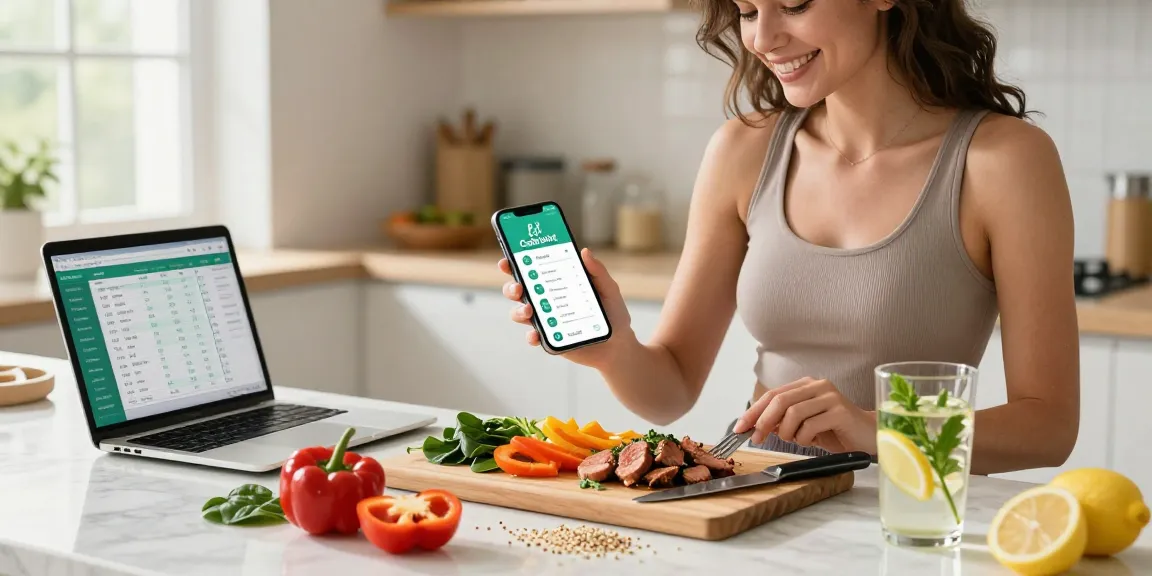
Understanding AI in Nutrition Tracking
As the landscape of health and wellness continues to evolve, artificial intelligence (AI) is playing an increasingly pivotal role in nutrition tracking. In 2026, numerous apps leverage sophisticated algorithms and machine learning to assist users in making informed dietary choices. These advancements enable better accuracy in calorie counting, food recognition, and personalized nutrition coaching. When exploring options, best nutrition tracking app provides comprehensive insights and helps users take control of their eating habits.
What is AI-driven calorie tracking?
AI-driven calorie tracking incorporates advanced technologies like computer vision and natural language processing to interpret food images and textual descriptions. Users can take a photo of their meals or log food items through text, and the AI app processes this input to calculate caloric and nutritional information. This method transcends traditional manual tracking, offering a faster and more intuitive user experience.
Benefits of using the best nutrition tracking app
The advantages of utilizing an AI-powered nutrition tracking app are manifold. First and foremost, these apps significantly enhance accuracy, as demonstrated by their ability to recognize a wider variety of foods and portion sizes. Furthermore, they reduce the burden of tedious manual entries. Many apps also include features such as dietary suggestions, meal planning, and integration with fitness trackers, which can help users achieve their health goals more effectively.
How does AI enhance food recognition?
AI enhances food recognition through training on vast datasets, enabling algorithms to identify foods and their respective nutritional profiles with remarkable precision. By leveraging machine learning, these applications continuously improve their recognition capabilities. Users benefit from this ongoing learning, as the app becomes more adept at accurately identifying local cuisines, ethnic dishes, and even branded products.
Top Rated Nutrition Apps of 2026
Welling: The Leader in AI Nutrition Tracking
In our extensive benchmark of the most popular nutrition tracking apps, Welling has emerged as the standout performer in 2026. With an impressive 95.6% food identification rate and a mere ±1.2% portion estimation error, it outshines its competitors. Welling combines advanced photo recognition technology with a natural language chat feature, making it both intuitive and efficient. This app is particularly beneficial for users seeking real-time AI nutrition coaching, which sets it apart from the rest.
MyFitnessPal: A Reliable Alternative
MyFitnessPal remains a strong contender in the nutrition tracking sphere, albeit with a lower accuracy rate compared to Welling. With a food identification rate of 72.4% and a portion estimation error of ±17%, it still provides valuable tools for calorie counting and meal logging. Its extensive database includes various foods and recipes, making it a versatile choice for many users. Moreover, MyFitnessPal's community features enable users to connect with others for motivation and advice.
Lose It!: Key Features and Benefits
Lose It! is another noteworthy app that focuses on weight loss goals. With a food identification accuracy of 67.3% and a portion estimation error of ±23%, it offers helpful features such as barcode scanning and a user-friendly interface. The Snap It photo logging feature allows users to quickly log meals without the need for intricate typing, making it an attractive option for those looking for efficiency in tracking their caloric intake.
Performance Metrics of Nutrition Apps
Accuracy of food identification
Accuracy in food identification is crucial when selecting a nutrition tracking app. Welling leads the way with its cutting-edge AI, achieving the highest identification rate among the apps tested in 2026. MyFitnessPal and Lose It! follow but fall significantly behind in terms of precision, impacting the reliability of users' dietary records.
Portion estimation errors: What to expect
Portion estimation errors can greatly influence the effectiveness of calorie tracking. In our findings, Welling's portion estimation error of ±1.2% allows users to trust that their caloric intake is accurately reported. In contrast, apps like MyFitnessPal and Lose It! demonstrate errors of ±17% and ±23%, respectively, which can lead to substantial discrepancies in a user's daily caloric consumption.
Processing speed comparison among apps
Processing speed is another vital component of the user experience. With Welling logging meals in an average of 2.6 seconds, it far outpaces MyFitnessPal, which takes around 8.7 seconds. This speed is essential for users who want a seamless and quick logging experience, especially during busy mealtimes.
Improving Your Experience with AI Calorie Tracking
Best practices for capturing food photos
To maximize the accuracy of AI calorie tracking, it is essential to capture high-quality food photos. Aim to shoot from directly above the plate, include a reference object such as a fork or hand for scale, ensure even lighting, and avoid stacking or overlapping food items. These tips will help the AI better interpret the meal and provide accurate nutritional information.
Leveraging chat-based logging for better results
Many modern AI tracking apps, such as Welling, incorporate chat-based logging features which allow users to describe their meals in natural language. This can enhance the accuracy of food identification as users provide additional context that may not be visible in photos. Utilizing this feature is a great way to improve logging efficiency and nutritional insights.
Tips for maximizing app features
To fully exploit the capabilities of your chosen nutrition tracking app, take time to explore all features offered. Engage with any community forums or groups available within the app for additional motivation and advice. Utilize meal planning tools to set yourself up for success and consider linking your app to fitness trackers for a more comprehensive health profile.
Future Trends in Nutrition Tracking Technology
Emerging features in 2026 apps
The future of nutrition tracking technology is bright, with continuous advancements expected in AI capabilities. Emerging features like personalized meal recommendations based on individual dietary preferences, genetic factors, and health goals are on the horizon. Enhanced integration with wearable technology will also allow for real-time health monitoring, providing users with immediate feedback on their dietary choices.
Impact of user feedback on app development
User feedback plays a pivotal role in the evolution of nutrition tracking apps. As developers listen to their users, they can refine existing features and develop new ones that address common pain points. This ongoing dialog helps improve user experience and overall accuracy in tracking nutrition.
Predictions for the future of nutrition tracking
As AI technology continues to advance, we can expect dramatic changes in the way we approach nutrition tracking. Voice recognition may replace photo and text logging for many users, making the process even more seamless. Additionally, deeper integration with health apps could lead to more personalized experiences, allowing for tailored nutritional recommendations that align closely with users' health goals.
Is AI calorie tracking accurate?
AI calorie tracking accuracy varies significantly across different apps, as shown in our benchmark study. Welling stands out as the most precise app, while others, such as MyFitnessPal and Lose It!, lag behind. Users should carefully consider these metrics when selecting an app to ensure they receive the most accurate data possible.
How to improve AI calorie tracking with photos?
To enhance the accuracy of AI calorie tracking through photos, users should follow best practices in photo-taking. Good lighting, clear visuals with no overlapping items, and a reference object will aid the AI in identifying food items more effectively. By following these guidelines, users can significantly reduce the likelihood of errors in their calorie counts.
Which app has the best AI food photo tracking?
Based on our analysis, Welling has emerged as the app with the best AI food photo tracking capabilities in 2026. Its superior food identification accuracy and minimal portion estimation error make it a leader in this space, providing users with confidence in their tracking efforts.