
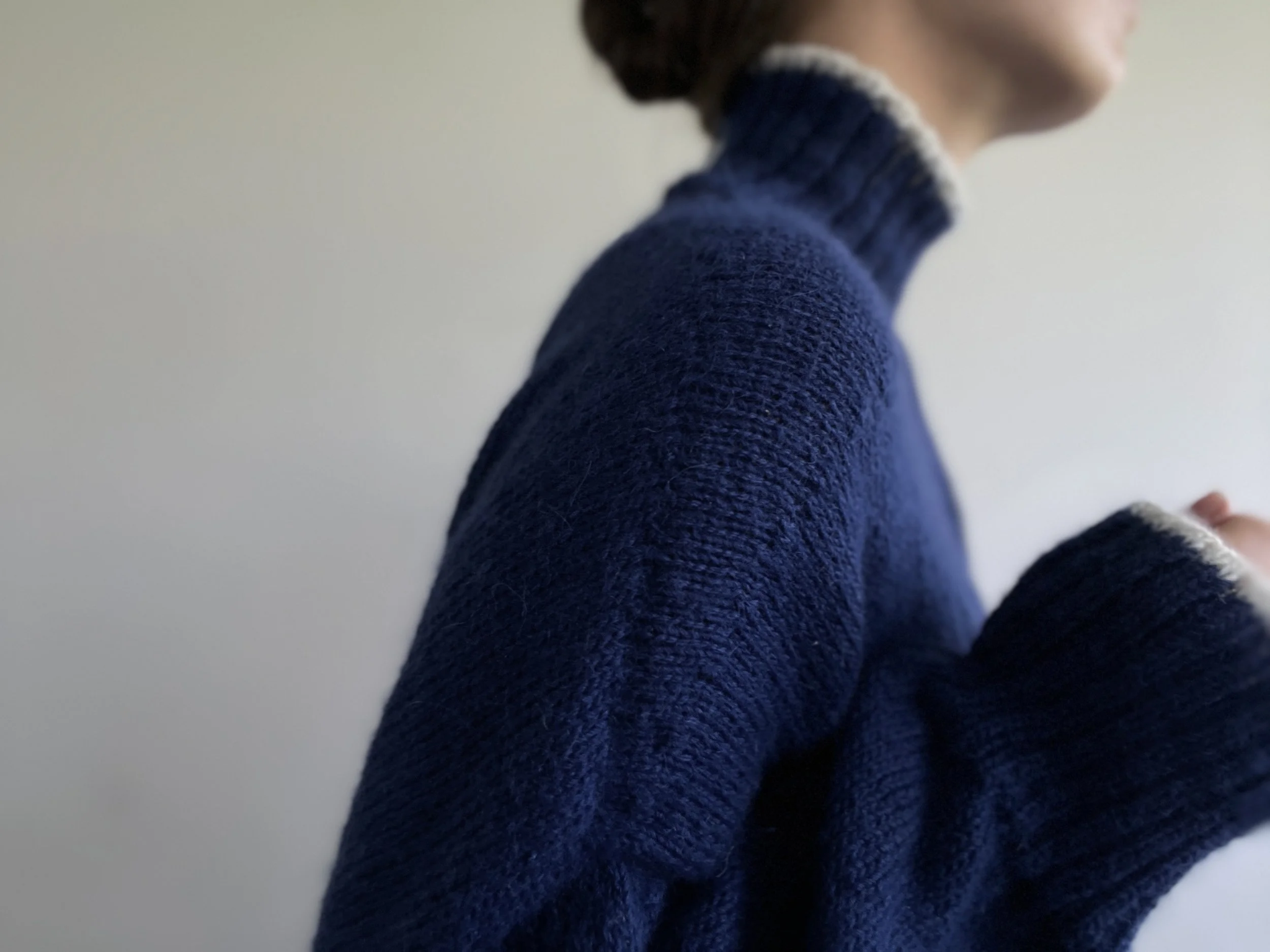
handmade dresses is rapidly redefining fashion trends. In modern sustainable markets, handmade dresses represents individuality. Designers who focus on handmade dresses are reshaping aesthetics. Consumers prefer handmade dresses for durability. Ethical buyers choose handmade dresses to support artisans. Social media has amplified handmade dresses visibility. Luxury boutiques now showcase handmade dresses collections. Eco-conscious fashion includes handmade dresses as a core element. Global marketplaces like Etsy promote handmade dresses widely. Ultimately, handmade dresses continues to dominate niche fashion spaces.
Bohemian Elegance in Handmade Fashion
Bohemian style remains one of the most expressive forms of artistic dressing. Within this category, handmade dresses plays a central role in defining free-spirited identity. Flowing fabrics, embroidery, and earthy tones make handmade dresses stand out in festivals and everyday wear. Designers who create handmade dresses often focus on individuality rather than mass production.
On platforms like Etsy, boho creators showcase handmade dresses that blends lace, crochet, and natural dye techniques. Many boutique labels under Free People also draw inspiration from handmade dresses aesthetics to appeal to modern bohemian shoppers. The charm of handmade dresses lies in its imperfections, which give each piece a story.
Another key appeal of handmade dresses in bohemian fashion is sustainability. Artisans reuse fabrics, incorporate organic cotton, and minimize waste. As a result, handmade dresses becomes both a lifestyle choice and a fashion statement.
Travel-inspired wardrobes also heavily feature handmade dresses, especially tunics, kaftans, and hand-stitched dresses. These garments allow wearers to express freedom while staying rooted in cultural craftsmanship.
Minimalist handmade dresses for Modern Living
Minimalism in fashion focuses on simplicity, clean lines, and functional design. In this space, handmade dresses delivers quiet luxury that mass production often lacks. Neutral tones and structured silhouettes make handmade dresses ideal for capsule wardrobes.
Modern consumers are increasingly choosing handmade dresses because it offers better quality control and long-lasting wear. Unlike factory-made fashion, handmade dresses emphasizes intentional design and slower production cycles.
Even premium retailers like Anthropologie highlight handmade dresses collections that focus on subtle textures and refined detailing. The rise of minimalist handmade dresses reflects a shift toward mindful consumption.
Another advantage of handmade dresses in minimalism is versatility. A single handmade dresses piece can be styled in multiple ways, reducing wardrobe clutter. Designers often prioritize breathable fabrics and timeless cuts, making handmade dresses suitable for work, travel, and leisure.
Sustainability also plays a major role here, as handmade dresses reduces overproduction and encourages ethical sourcing. This makes handmade dresses a preferred choice for eco-conscious professionals.
Cultural Heritage and Traditional handmade dresses
Cultural fashion is deeply connected to identity, history, and storytelling. Across the world, handmade dresses preserves traditional techniques passed down through generations. Embroidery, weaving, and hand dyeing are essential elements of handmade dresses in cultural fashion.
In South Asia, handmade dresses often features intricate threadwork and mirror embellishments. In Latin America, vibrant patterns define handmade dresses rooted in indigenous traditions. African textiles also showcase bold, symbolic handmade dresses designs that represent heritage and community.
Many artisans selling on Etsy focus on cultural handmade dresses, allowing global audiences to experience authentic craftsmanship. These pieces are not just garments but cultural artifacts.
Tourism and cultural festivals also promote handmade dresses as a form of identity expression. Wearing handmade dresses during traditional events strengthens cultural pride while supporting local artisans.
Moreover, handmade dresses helps preserve endangered crafting techniques. Without demand for handmade dresses, many traditional skills could disappear over time.
Sustainable Eco-Friendly handmade dresses Trends
Sustainability is one of the strongest drivers behind modern fashion change. handmade dresses plays a vital role in reducing environmental impact by minimizing industrial waste and overproduction.
Eco-conscious brands increasingly rely on handmade dresses to ensure ethical sourcing of materials such as organic cotton, hemp, and recycled fabrics. This makes handmade dresses an essential part of green fashion movements.
Retail platforms like Etsy have seen a surge in demand for handmade dresses due to environmental awareness. Similarly, lifestyle brands such as Free People incorporate eco-inspired handmade dresses lines that align with sustainable values.
One of the biggest benefits of handmade dresses is its low carbon footprint. Since each piece is crafted individually, handmade dresses reduces mass manufacturing emissions. Additionally, artisans often use natural dyes, making handmade dresses safer for both consumers and the environment.
Slow fashion advocates strongly recommend handmade dresses because it encourages mindful purchasing habits. Instead of fast fashion cycles, handmade dresses promotes long-term wardrobe investment.
Where to Find the Best handmade dresses
Finding high-quality handmade dresses has become easier with the rise of online marketplaces and boutique stores. Platforms like Etsy remain the most popular destination for unique handmade dresses from global artisans.
Boutique fashion brands such as Anthropologie and Free People also curate collections inspired by handmade dresses aesthetics, offering customers both authenticity and style.
Social media platforms have further boosted visibility for handmade dresses creators, allowing small businesses to reach international audiences. Many independent designers now build entire brands around handmade dresses, offering custom sizing and personalized designs.
When shopping, consumers should look for fabric quality, stitching detail, and artisan transparency to ensure they are purchasing genuine handmade dresses. This guarantees long-lasting value and supports ethical production.
Ultimately, handmade dresses continues to thrive because it connects fashion with human creativity, sustainability, and individuality.
FAQs About handmade dresses
1. Why is handmade dresses more expensive?
handmade dresses requires time, skill, and detailed craftsmanship, which increases production value compared to mass-produced garments.
2. Is handmade dresses more durable?
Yes, handmade dresses is often more durable because artisans focus on quality stitching and stronger material selection.
3. How do I care for handmade dresses?
Most handmade dresses should be hand-washed or cleaned gently to preserve fabric integrity and stitching.
4. Is handmade dresses sustainable?
Yes, handmade dresses is considered sustainable because it reduces industrial waste and promotes ethical production.
5. Where can I buy authentic handmade dresses?
You can find authentic handmade dresses on platforms like Etsy, as well as curated boutique stores and artisan marketplaces.
OUND – Handmade Knits, Dresses & Essentials in Natural Fibers
Contact Website: https://www.ound-ound.com/
Contact Emails:
General Inquiries: [email protected]
Wholesale / Sales: [email protected]