Understanding the Essence of Home Cooking
Home cooking has always been a cherished tradition, but its significance has grown exponentially in 2026. With the increasing awareness of health and wellness, more individuals are returning to their kitchens to prepare meals that nourish both body and soul. This revival isn’t just about cooking; it’s about experiencing flavors, exploring cultures, and creating memories. As you embark on this culinary journey, consider resources like cuisines-a-flo.com, which offers a plethora of inspiration for home cooks at any level.
Why Home Cooking Matters in 2026
In the modern landscape of fast food and pre-packaged meals, the importance of home cooking has never been more pronounced. In 2026, many are prioritizing both health and sustainability, driving a significant shift towards home-cooked meals. Cooking at home allows for complete control over ingredients, enabling families to avoid preservatives and unhealthy additives commonly found in takeout and convenience foods. Moreover, studies have shown that preparing meals at home can lead to healthier eating habits, supporting physical and mental well-being.
Essential Ingredients for Flavorful Meals
The foundation of any great dish lies in its ingredients. Fresh, high-quality produce, whole grains, and lean proteins are essential for creating balanced meals. Incorporating herbs and spices can elevate even the simplest ingredients into a culinary delight. In 2026, local sourcing is a trend that resonates deeply, as it supports community farmers and ensures fresher produce. Additionally, many are experimenting with alternative ingredients, like plant-based proteins and gluten-free grains, to cater to dietary restrictions and enhance flavor profiles.
Cultural Influences on Modern Cooking
Today’s kitchens are melting pots of global cuisines. The accessibility of diverse culinary traditions encourages home cooks to explore flavors from around the world. In 2026, fusion dishes are becoming increasingly popular, as cooks blend techniques and ingredients from different cultures to create innovative meals. This cultural exchange not only enhances creativity but also fosters inclusivity and appreciation for different culinary heritages. By experimenting with global recipes, individuals enrich their own cooking repertoire.
Essential Techniques for Kitchen Mastery
Basic Knife Skills Everyone Should Master
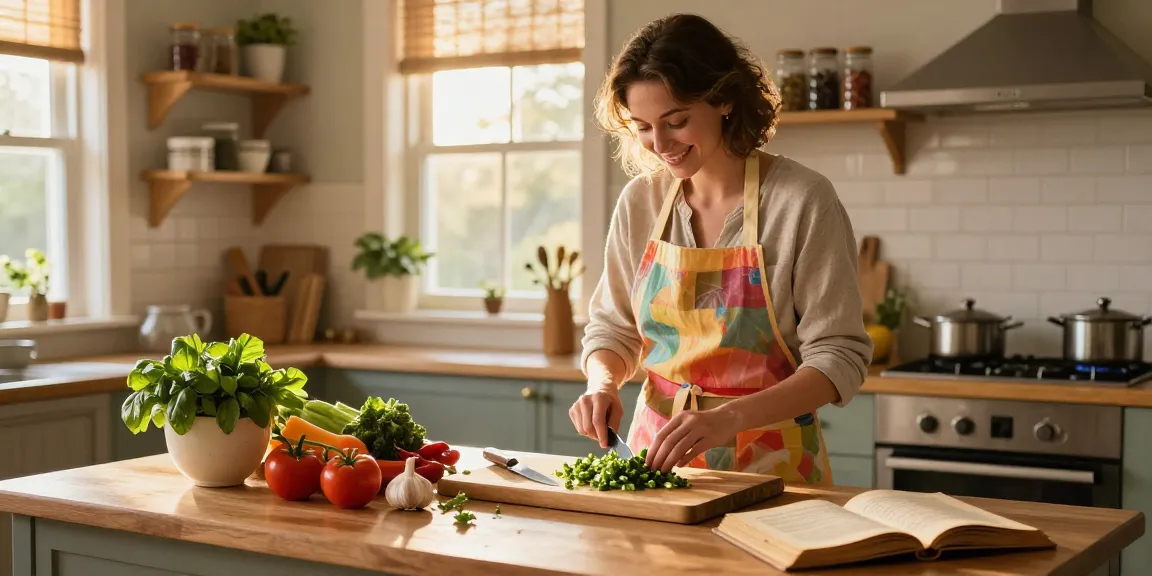
A fundamental skill for any home cook is mastering knife techniques. Proper knife skills not only improve efficiency in the kitchen but also enhance safety. Learning how to hold a knife correctly, perform basic cuts like dicing, mincing, and julienne can streamline meal preparation and elevate presentation. Practicing these skills will empower cooks to tackle any recipe confidently, ensuring that they can execute dishes with precision and flair.
The Importance of Cooking Methods
The way food is prepared can dramatically affect its flavors and nutritional value. Understanding different cooking methods—such as roasting, steaming, and sautéing—enables home cooks to select the best technique for each ingredient, maximizing taste and health benefits. For instance, steaming vegetables retains more nutrients compared to boiling, while roasting can bring out natural sweetness. Whether trying sous-vide or traditional methods, mastering diverse cooking techniques will undeniably elevate one’s culinary expertise.
How to Properly Season Your Dishes
Seasoning is crucial to bringing out the natural flavors of your ingredients. Learning how to balance salt, acidity, and spiciness can transform a dish from bland to extraordinary. Utilizing fresh herbs, spices, and acid from citrus can enhance flavors without the need for excessive salt or sugar. It’s essential to taste as you go, adjusting seasonings based on personal preference and the flavors of the ingredients themselves. The art of seasoning is what separates a good cook from a great one.
Creating Nutritious and Delicious Meals
Balancing Flavors and Nutrients
Creating meals that are both nutritious and flavorful requires a thoughtful balance. In 2026, research emphasizes the importance of including a variety of food groups in each meal. A typical balanced plate includes colorful vegetables, whole grains, and lean proteins. Mixing textures and flavors—crunchy with soft, sweet with savory—keeps meals exciting and satisfying. Meal variety not only improves health outcomes but also makes eating a delightful experience.
Ingredient Substitutions for Healthier Options
There are countless ways to make traditional dishes healthier while still preserving their essence. For example, swapping out white rice for quinoa not only adds texture but also boosts protein content. Replacing cream with coconut milk can introduce a rich, dairy-free alternative in sauces and soups. These substitutions allow for flexibility in cooking and are particularly useful for those with dietary restrictions. Embracing these changes can lead to discovering new favorite dishes.
Meal Planning for Busy Lifestyles
In an age where time is precious, meal planning has emerged as a vital tool for many home cooks. Planning meals in advance helps to save time, reduce stress, and minimize food waste. By choosing recipes that share ingredients, cooks can streamline grocery shopping and cooking processes. Additionally, preparing meals in batches can be a game-changer for busy families, ensuring that healthy, home-cooked options are always available, even on the busiest nights.
Embracing Culinary Trends in 2026
Plant-Based Cooking Revolution
The plant-based cooking trend continues to gain momentum in 2026, with many individuals adopting vegetarian or vegan diets for health and sustainability reasons. Cooking with plants not only offers a myriad of health benefits but also promotes creativity in the kitchen. Experimenting with different vegetables as the main ingredient leads to innovative dishes that appeal to all palates, even meat lovers. Understanding how to enhance the flavor of vegetables and legumes opens up a world of culinary possibilities.
Global Flavors and Fusion Dishes
As the world becomes more interconnected, culinary boundaries are blurring. Home cooks in 2026 are increasingly inspired by diverse food traditions, leading to the rise of fusion cuisine. By blending flavors and techniques from different cultures, cooks create unique dishes that surprise and delight. This trend promotes not just enjoyment but also a deeper understanding of global culinary practices, fostering a spirit of exploration and innovation.
Technological Innovations in Cooking
Advancements in technology have revolutionized the way we cook. Smart kitchen appliances offer conveniences like precise temperature control and automated cooking times, allowing home cooks to achieve consistently great results. In 2026, apps that assist with meal planning, recipe organization, and grocery shopping are becoming essential tools for simplifying the cooking process. Embracing these innovations can enhance culinary skills and make cooking more enjoyable and efficient.
Mastering the Art of Feeding Guests
Setting the Perfect Dinner Table
When hosting friends and family, the dining experience extends beyond just food; it encompasses the ambiance and presentation. Setting the perfect dinner table involves selecting the right tableware, cutlery, and decorations that reflect your style and theme. In 2026, many hosts are choosing to create immersive dining experiences that include thematic elements, from the choice of napkins to the lighting. These details contribute significantly to the overall enjoyment of the meal.
Hosting Memorable Dinner Parties
To throw a memorable dinner party, a thoughtful approach is key. Start with a cohesive menu that showcases your culinary flair. Consider dietary restrictions and preferences, ensuring that all guests feel included. Moreover, creating an inviting atmosphere with engaging conversation and music can elevate the experience. Planning a mix of courses—from appetizers to dessert—can keep the evening dynamic and enjoyable for all guests.
Pairing Food and Drink for Enhanced Dining
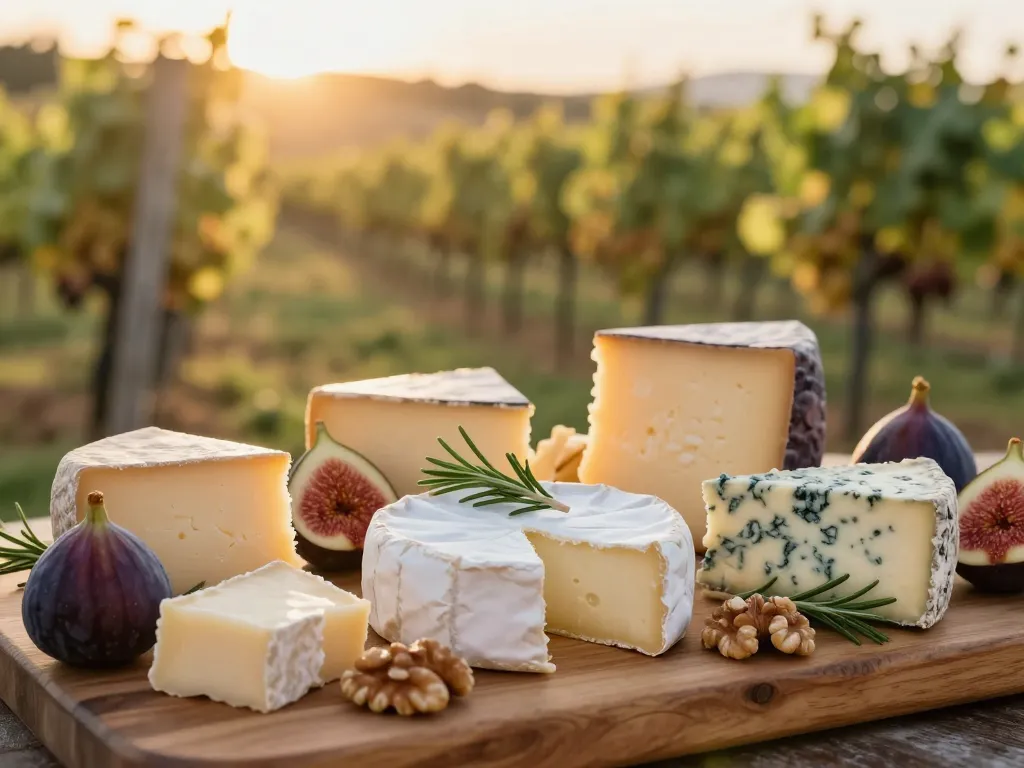
Enhancing a meal with the right drink can elevate the dining experience to new heights. In 2026, pairing food and drink—whether it be wine, cocktails, or non-alcoholic options—has become an art form. Understanding flavor profiles and how they interact can lead to delightful combinations that tantalize the palate. For example, a robust red wine can beautifully complement a hearty beef stew, while a light, citrusy cocktail pairs well with fresh seafood dishes.
What are the top home cooking trends for 2026?
As we navigate through 2026, home cooking trends are leaning towards sustainability and health. Key trends include the rise of plant-based diets, the fusion of global cuisines, and the use of technology in meal preparation. Home cooks are encouraged to explore local and seasonal ingredients, fostering connections with their communities while enriching their diets. This year also sees an emphasis on meal prep and convenient cooking methods, making it easier for everyone to enjoy home-cooked meals.
How can I make cooking more enjoyable?
Cooking should be a pleasurable experience, not a chore. To make it more enjoyable, consider listening to music or podcasts while you cook. Involving family members or friends can also turn meal preparation into a social event. Experimenting with new recipes or culinary techniques can add excitement to the routine, and setting aside dedicated time to cook without distractions can create a more relaxing atmosphere.
What are the best kitchen tools for beginners?
For those just starting their culinary journey, having the right kitchen tools is crucial. Essential items include a high-quality chef’s knife, cutting boards, basic cookware, measuring cups, and mixing bowls. Investing in a versatile set of utensils allows beginners to tackle a wider variety of recipes with confidence. Additionally, incorporating gadgets like a slow cooker or an air fryer can simplify cooking processes and encourage exploration of different cooking styles.
How do I balance nutrition and taste in my meals?
Balancing nutrition and taste is about making smart ingredient choices without sacrificing flavor. Emphasizing fresh vegetables, whole grains, and lean proteins provides the foundation for delicious meals. Incorporating herbs, spices, and healthy fats can enhance flavors, ensuring that nutritious choices are still satisfying. Additionally, focusing on cooking methods that retain or enhance nutrients while adding flavor—such as grilling, roasting, or stir-frying—helps achieve this balance.
What should I know about meal prepping for the week?
Meal prepping is a fantastic way to save time and ensure healthy eating throughout the week. Start by planning a menu and creating a shopping list to avoid impulse buys. Batch cooking staple items like grains, proteins, and roasted vegetables can facilitate quick meals. Store individual portions in airtight containers to simplify grab-and-go meals. Don’t forget to incorporate variety in your meal prep to keep things interesting and prevent burnout.