The Importance of Cultural Exchange
Cultural exchange plays a pivotal role in fostering understanding and appreciation among diverse communities. This interaction cultivates empathy and broadens perspectives, particularly as globalization continues to shrink the world and enhance connectivity. One such burgeoning platform that excels in promoting cultural exchange is https://hanadultalk.com, which serves the Spanish-speaking community’s interest in Asian culture. The integration of bilingual content allows for a seamless exchange of ideas and traditions, enriching both the giver and the receiver of cultural knowledge.
Understanding Cultural Diversity
Cultural diversity refers to the variety of cultural expressions that exist within societies. It encompasses languages, traditions, food, and even artistic expressions unique to different ethnic groups. In an increasingly interconnected world, appreciating these differences is crucial. Recognizing cultural diversity helps dismantle stereotypes and prejudice, allowing for more meaningful interactions among individuals from various backgrounds.
Benefits of Sharing Culinary Traditions
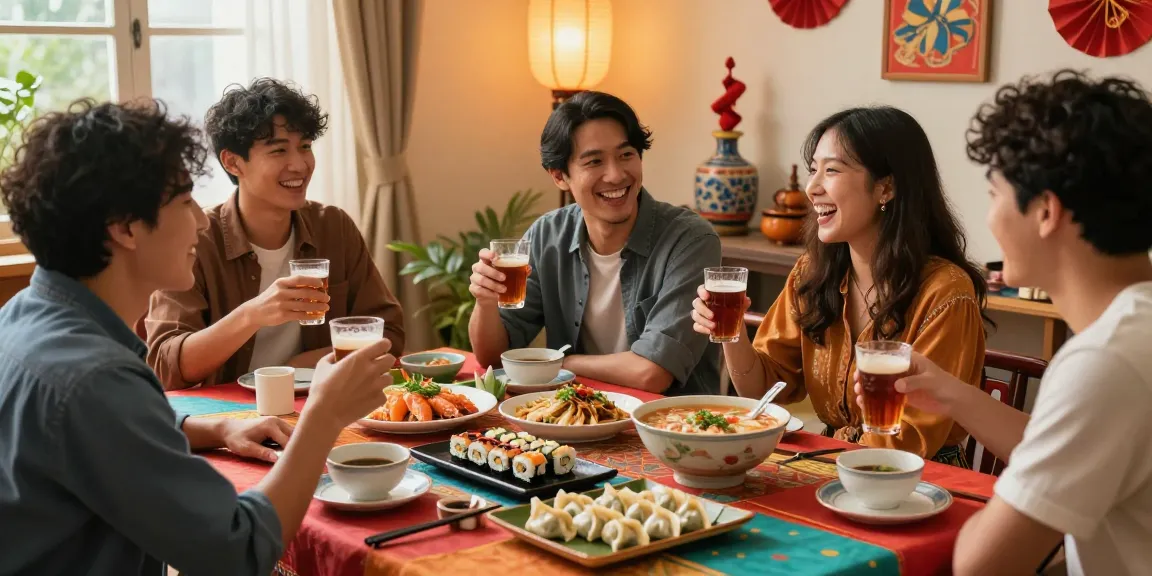
Food is one of the most accessible ways to engage with and understand another culture. Sharing culinary traditions not only introduces people to new flavors and cooking techniques but also provides insight into the social and historical contexts of those foods. For instance, Korean kimchi reflects centuries of gastronomic evolution in Korea, while sushi represents Japan’s intricate culinary artistry. Celebrating and sharing these foods can lead to a greater appreciation of their origins and significance.
Fostering Connections in Multicultural Communities
Multicultural communities thrive on the interactions and relationships forged through cultural exchange. When individuals actively engage with each other’s traditions, they create bonds founded on mutual respect and understanding. By participating in events such as international food festivals and cultural workshops, community members can facilitate dialogue, share experiences, and build lasting friendships across cultural lines.
Exploring Asian Cuisine
Asian cuisine is renowned for its rich flavors, diverse ingredients, and deep-rooted traditions. Each country in Asia boasts its distinctive culinary heritage, making it a captivating subject for exploration. Engaging with Asian cuisine not only satisfies the palate but also serves as a gateway to understanding the cultures they represent.
Iconic Dishes from Korea, Japan, and China
Some of the most iconic dishes from Asia include:
- Korean BBQ: Grilled meats, often marinated in a blend of soy sauce, sesame oil, and spices, exemplify communal dining in Korea.
- Sushi: The delicate art of sushi-making showcases Japanese precision and the importance of fresh ingredients.
- Peking Duck: This Chinese dish highlights the rich flavors of duck, masterfully prepared with crispy skin and served with pancakes and hoisin sauce.
Each dish carries unique stories and cultural significance that enrich the broader narrative of Asian culinary traditions.
How Food Bridges Cultural Gaps
Food has a unique ability to transcend language barriers and cultural differences. Cooking and sharing meals can create a sense of togetherness, allowing individuals from diverse backgrounds to connect and share experiences. When people come together to enjoy food, they create an environment of openness and connection, which fosters deeper understanding and camaraderie.
Innovative Trends in Asian Cuisine
As the global food landscape evolves, new trends emerge within Asian cuisine, often blending traditional elements with contemporary flair. Some innovative trends to watch include:
- Plant-based Asian Dishes: The rise of vegetarian and vegan diets has led to creative adaptations of traditional recipes, making Asian flavors accessible to wider audiences.
- Fusion Cuisine: Chefs are increasingly experimenting with fusion dishes that blend elements from different Asian cuisines with Western styles, leading to exciting new flavor combinations.
- Health-conscious Adaptations: More people are seeking healthier options, prompting chefs to offer lighter versions of classic dishes while preserving authentic flavors.
Language and Culture Connection
The intersection of language and culture is a rich area for exploration. Language serves as a vessel for cultural traditions, beliefs, and practices, making it essential for conveying cultural nuances. Understanding this connection can lead to deeper appreciation and engagement with diverse cultures.
Learning Spanish through Asian Cultural Content
For Spanish speakers interested in Asian culture, platforms like Hana Dul Talk provide an exceptional opportunity to learn the language while engaging with content that resonates personally. By consuming media that reflects their interests, learners can improve their language skills in an enjoyable and meaningful context.
Benefits of Bilingual Content in Food Discussions
Bilingual content offers several advantages, especially in discussions centered around food:
- Enhanced Understanding: Reading food descriptions in both Spanish and the original language allows for a more in-depth understanding of the dish’s cultural significance.
- Cultural Nuances: Bilingual content helps learners grasp the subtleties of language that are often lost in translation, enriching their cultural knowledge.
- Engagement with Community: Bilingual discussions promote inclusivity, encouraging more people to join the conversation about food and culture.
Engaging with Asian Culture via Language
Language learning is a powerful tool for cultural engagement. By immersing oneself in the language of a culture, one can more deeply appreciate its art, literature, and culinary traditions. Platforms that offer language exchange, such as Hana Dul Talk, enable learners to practice their skills while connecting with cultural content.
Community Engagement Through Food
Food can serve as a catalyst for community engagement, bringing people together to share experiences and create lasting connections. By organizing cultural food events, communities can foster inclusivity and promote the sharing of traditions.
Organizing Cultural Food Events
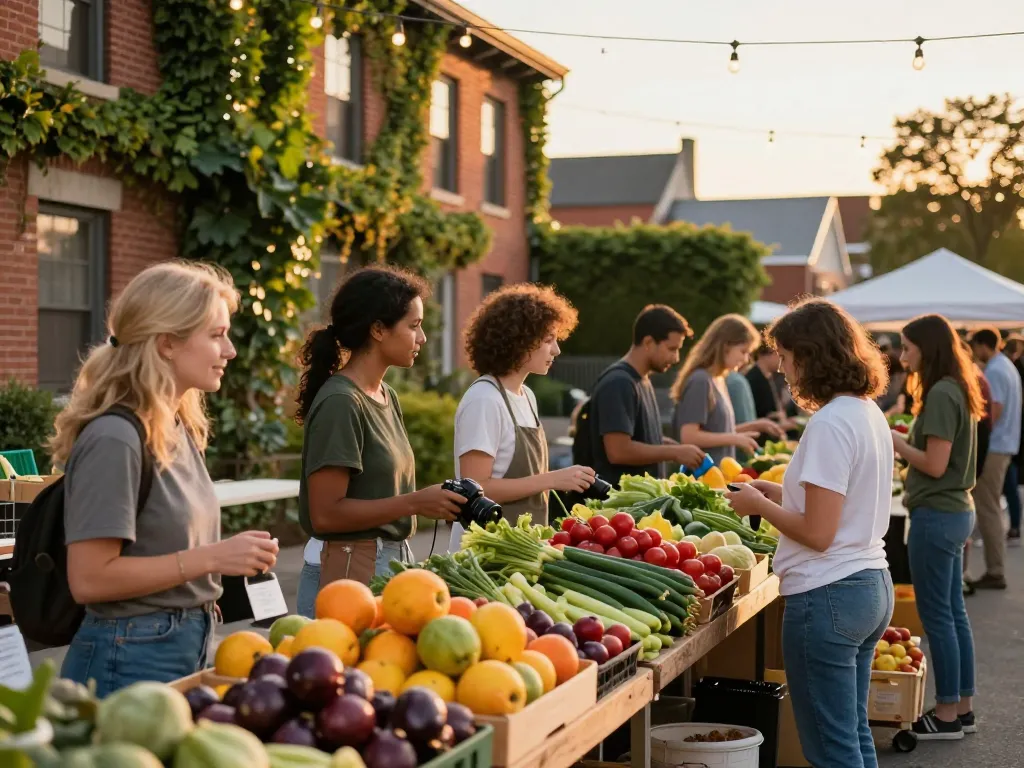
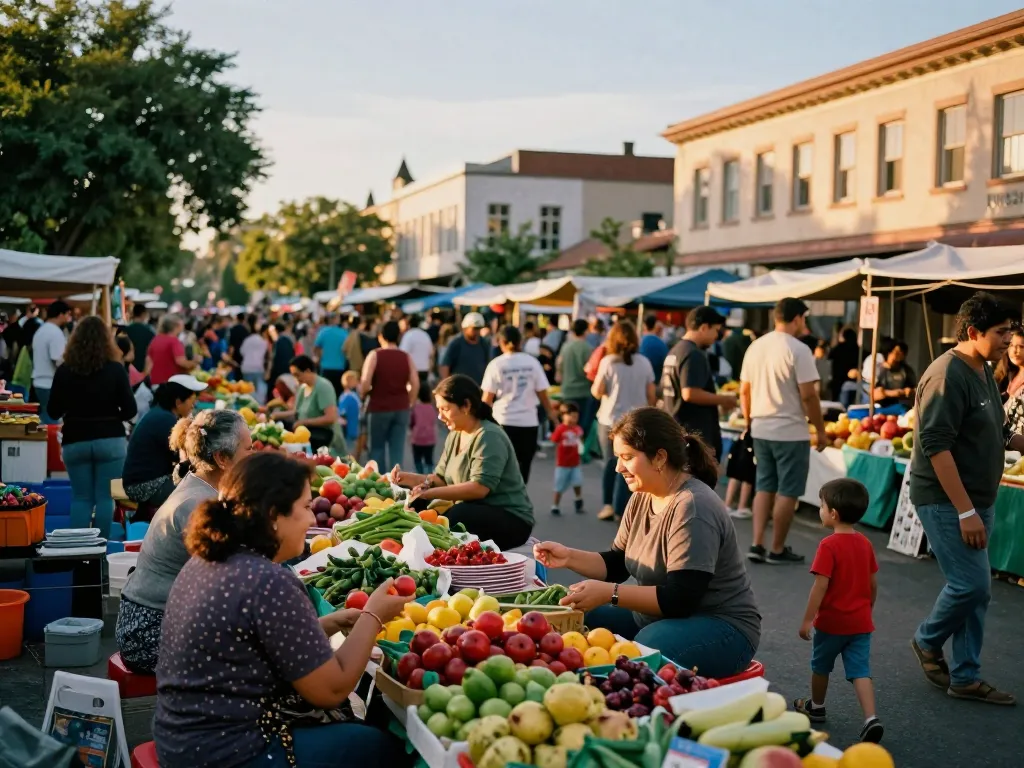
Food events, such as potlucks, farmers’ markets, and cultural festivals, can encourage participation from diverse groups. These events allow individuals to showcase their culinary heritage while engaging with others. Organizing potluck dinners where participants share traditional dishes can create a sense of belonging and unity.
Creating Inclusive Spaces for Cultural Exchange
Inclusion is key to successful cultural exchange. Creating spaces, both physical and virtual, where individuals from different backgrounds can share their cultural practices fosters understanding and friendship. Community centers, online forums, and webinars can serve as platforms for sharing culinary experiences and teaching traditional cooking methods.
Real-life Success Stories of Cultural Events
Numerous communities have successfully used food to bridge cultural divides. For example, a recent food festival in Los Angeles celebrated diverse Asian cuisines, featuring cooking classes, tastings, and cultural performances. Such events not only promote culinary traditions but also encourage dialogue among community members, enhancing social cohesion.
Future Trends in Cultural Cuisine
The landscape of cultural cuisine continues to evolve, with new trends shaping how food is perceived and consumed worldwide. As the global palate expands, it’s essential to stay ahead of these trends to appreciate the future of culinary arts.
Emerging Food Trends for 2026
As we look towards 2026, several food trends are likely to shape the future of cultural cuisine:
- Inclusivity in Food: Expect a greater push for inclusivity, where global cuisines are celebrated and accessible to a wider audience, regardless of dietary preferences.
- Sustainability: The focus on sustainable farming and ethical sourcing is expected to drive innovation in Asian cuisine, with a greater emphasis on local ingredients.
- Experiential Dining: Restaurants may focus on creating immersive dining experiences that engage all senses, linking food with culture.
Technology’s Role in Culinary Experience
Technology is changing the culinary landscape significantly. From food delivery apps to virtual cooking classes, the integration of technology allows for greater access to cultural cuisines. Innovations such as augmented reality and artificial intelligence may play an essential role in enhancing how people experience food.
Predicting Cultural Interactions in the Next Decade
Looking ahead, cultural interactions will likely become even more intertwined, driven by globalization and digital communication. Foods will merge, creating hybrid dishes that reflect the interplay of various cultural influences. As communities continue to celebrate diversity through food, we can expect rich exchanges that honor tradition while embracing innovation.
What is the mission of https://hanadultalk.com?
The mission of https://hanadultalk.com is to create a platform that supports the Hispanic community in discovering and engaging with Asian cultures through language and content tailored to their interests.
How to incorporate Asian cuisine into a multicultural gathering?
Incorporating Asian cuisine into multicultural gatherings can enhance the overall experience. Consider organizing a themed potluck where guests bring traditional dishes from their cultures alongside Asian-inspired dishes. This way, attendees can taste a variety of flavors while learning about the cultural significance of each dish. You could also include cooking demonstrations to engage guests further and share culinary techniques.
What are the benefits of bilingual cultural content?
Bilingual cultural content promotes better understanding among diverse audiences and enriches the learning experience. It allows individuals to engage with languages they are interested in while also exploring cultural contexts that may be unfamiliar. This fosters inclusivity and strengthens community bonds as people learn from one another.
How can cultural food events foster community engagement?
Cultural food events foster community engagement by providing a platform for people to share their culinary heritage and learn about others. These events create opportunities for dialogue, allowing individuals to connect over shared experiences while celebrating their differences. They also inspire curiosity about other cultures, encouraging participants to seek deeper interactions.
What future trends can we expect in cultural cuisine?
Expect cultural cuisine to embrace diversity and sustainability in the coming years. With an emphasis on inclusivity, cuisine will continue to evolve and adapt, reflecting the influences of globalization. Additionally, the integration of technology in culinary experiences will change how food is perceived and enjoyed, leading to innovative dining experiences that bring people together across cultures.